



Innovative Techniques and Their Impact on Modern Bridge Construction
June 03, 2026
Modern bridge construction techniques help solve many current problems such as heavy traffic, faster project completion, and environmental protection. These new methods allow engineers to build bridges that are stronger, longer-lasting, affordable, and eco-friendly. With the use of advanced materials and smart construction methods, the industry can create safer and more efficient infrastructure to meet growing transportation needs.
Advance Material In Bridge Construction:
Composite Materials: Materials such as carbon fiber-reinforced polymers (CFRP) and fiber-reinforced concrete (FRC) are widely used in modern bridge construction. They are lightweight, strong, durable, and resistant to rust and corrosion.
Ultra-High-Performance Concrete (UHPC): UHPC is a special type of concrete known for its excellent strength and long-lasting performance. It is also more environmentally friendly than traditional concrete.
High-Performance Steel: This type of steel provides greater strength and durability, making it suitable for bridges that need to handle heavy traffic and tough weather conditions.
Sandwich Plate System (SPS): SPS is a modern composite material made of two metal plates with a polyurethane layer in between. It increases strength while reducing the overall weight of the structure.
Innovative Bridge Design Concept:
Cable-Stayed Bridges: Modern cable-stayed bridges use new design ideas such as asymmetrical shapes and advanced cable arrangements. High-performance materials help these bridges cover longer distances and improve their strength and stability.
Arch Bridges: Innovations in arch bridge construction include the use of high-strength concrete and modern design techniques. These improvements make bridges stronger, more durable, and capable of spanning longer distances.
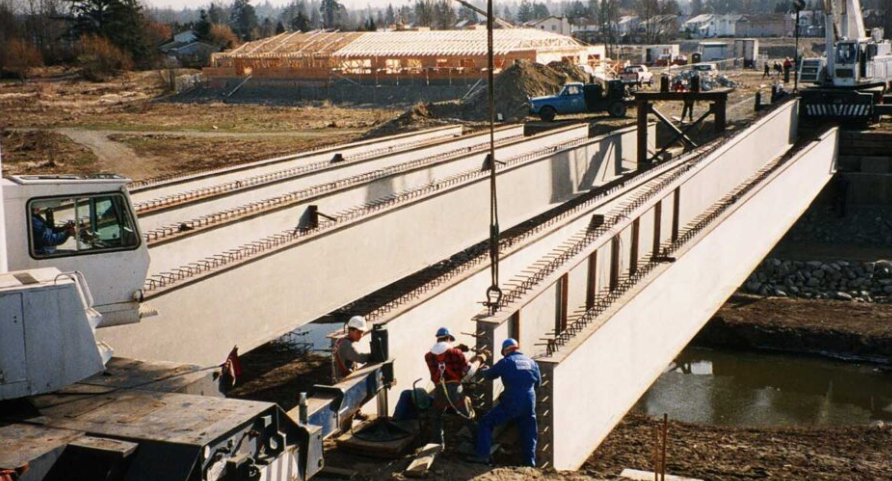
Folded Steel Plate Girder System (FSPGS): FSPGS is a cost-effective solution for small and short-span bridges. It provides a longer service life, requires less maintenance, and helps complete bridge projects more quickly.
Geo-synthetic Reinforced Soil-Integrated Bridge System (GRS-IBS): GRS-IBS is a modern bridge construction method that reduces construction time and cost. It uses layers of compacted soil and geo synthetic reinforcement to create strong and durable bridge foundations.
Accelerated Bridge Construction (ABC) Technique:
Precast Inverted Tee Slab Bridges: These bridges are built using ready-made concrete parts that are manufactured before construction begins. Compared to traditional cast-in-place concrete bridges, they can be installed more quickly and help reduce construction costs.
The Use Of Robotics:
Wall-Climbing and Cable-Climbing Robots: These advanced robots are used to inspect bridges closely. They can detect problems such as cracks, corrosion, weak structural areas, and unusual cable tension.
Legged Robots: Legged robots are designed to move across uneven and difficult surfaces. They are useful in bridge inspection and maintenance where normal wheeled robots cannot work properly.
Construction Time And Cost Saving:
Geosynthetic Reinforced Soil-Integrated Bridge System (GRS-IBS): This bridge construction method can reduce overall construction costs by around 25% to 60% because of its simple design and use of easily available materials.
Galvanized H-piling: Using galvanized H-piles helps reduce construction time by nearly three weeks because it removes the need for cast-in-place concrete encasement.
Precast Inverted Tee Slab Span Bridges: These bridges use pre-made concrete components, allowing quicker installation and lowering overall construction expenses.
Sustainability In Bridge Construction:
Modern bridge engineering uses sustainable methods to reduce environmental impact and improve the lifespan of bridges and other infrastructure.
Material Efficiency: New technologies such as 3D printing help reduce material waste and support creative bridge designs. They also make the construction process faster and more efficient.
Predictive Maintenance: Advanced technologies like the Internet of Things (IoT) are used to monitor bridge conditions in real time. This helps engineers detect problems early, improve maintenance planning, extend bridge life, and reduce repair costs.
Digital Twin Technology:
Digital twin technology creates a virtual model of a real bridge. This digital model helps engineers test different conditions and predict how the bridge will respond. It also helps in planning maintenance work more effectively, improving resource management, reducing costs, and increasing the bridge’s lifespan.
Structural Health Monitoring (SHM):
The integration of Artificial Intelligence (AI) and machine learning with Structural Health Monitoring (SHM) systems has improved predictive maintenance in bridge construction. These technologies use data collected from sensors and robots to identify possible problems and predict failures before they happen, helping improve safety and reduce maintenance costs.
The Future Of Bridge Construction:
The field of bridge construction will continue to grow and improve with the development of stronger, more sustainable, and efficient infrastructure. New technologies and advanced materials are changing the way bridges are designed, constructed, and maintained. By using these modern innovations, engineers can build bridges that support modern transportation needs while also protecting the environment and supporting a sustainable future.

Comments
No comments yet. Be the first to comment!